

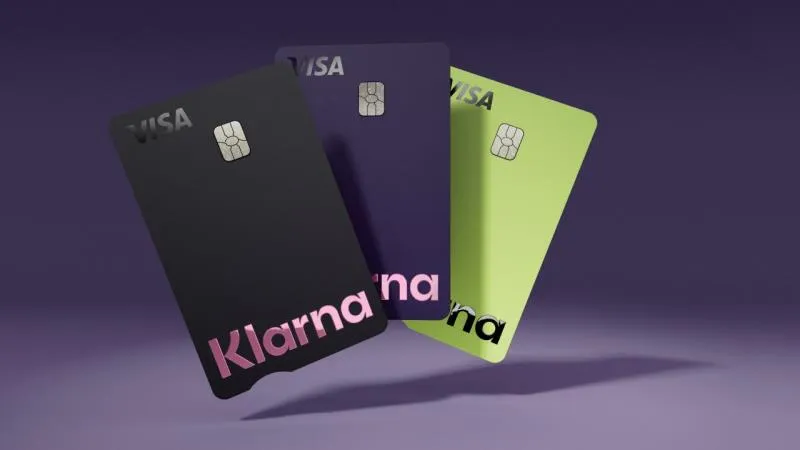
Klarna Card Surpasses 5 Million Active Customers Worldwide
The rapid rise of the Klarna Card to 5 million active users globally marks a significant milestone for Klarna as it continues to redefine how consumers interact with everyday financial tools and payment solutions, with this achievement reflecting not only strong user adoption but also a broader transformation in consumer expectations around flexibility, transparency, and control in personal finance, especially as traditional credit systems increasingly face scrutiny for encouraging long-term debt accumulation and limited user empowerment
A New Model for Everyday Spending Control
At the core of the Klarna Card’s appeal lies its fundamentally different approach to spending, where transactions are primarily powered by the customer’s own funds rather than revolving credit, enabling users to maintain a clearer picture of their financial position while avoiding the pitfalls commonly associated with traditional credit cards, such as compounding interest, hidden fees, and debt cycles, while still offering the flexibility to convert specific purchases into installment payments when needed, ensuring that consumers can manage larger expenses like travel bookings or household appliances without compromising their overall financial stability
Blending Debit Simplicity with Credit Flexibility
The Klarna Card effectively bridges the gap between debit and credit systems by combining the immediacy and discipline of debit spending with the optional flexibility of buy-now-pay-later functionality, allowing users to decide in real time whether a purchase should be paid upfront or spread over time, which represents a shift toward more intentional spending behaviors and reflects a growing consumer demand for financial tools that adapt to individual circumstances rather than imposing rigid repayment structures, thereby positioning Klarna as a pioneer in the evolution of hybrid payment solutions

Challenging Traditional Credit Card Models
The emergence of the Klarna Card highlights a broader challenge to the legacy banking model that has long relied on credit cards as a primary revenue driver, with interest charges, late fees, and revolving balances forming the backbone of profitability for many financial institutions, whereas Klarna’s approach removes many of these traditional “strings attached,” offering a model that prioritizes user experience and financial well-being over long-term indebtedness, signaling a shift in industry dynamics as fintech innovators continue to disrupt established norms and push incumbents to rethink their value propositions
Membership Program Reinforces Customer Value
A key factor contributing to the card’s rapid adoption is Klarna’s membership program, which introduces a suite of premium benefits designed to enhance the overall user experience without tying rewards to borrowing behavior, with perks including airport lounge access, travel insurance coverage, and curated lifestyle subscriptions, all provided without requiring customers to meet minimum spending thresholds, carry balances, or incur debt, thereby redefining how loyalty programs function and aligning incentives more closely with customer satisfaction rather than financial liability
Decoupling Rewards from Debt
One of the most notable innovations within Klarna’s ecosystem is its deliberate separation of rewards from credit usage, a move that challenges the conventional framework where consumers are often encouraged to spend more or maintain balances in order to unlock benefits, instead offering a system where users can access premium experiences regardless of whether they engage in installment payments, thereby promoting healthier financial habits and reducing the pressure to overspend, which has historically been a hallmark of traditional credit card reward structures
Consumer Behavior Signals a Shift in Financial Preferences
The strong uptake of the Klarna Card reflects a clear shift in consumer behavior, as individuals increasingly seek financial products that offer transparency, flexibility, and control, with many users gravitating toward solutions that allow them to avoid unnecessary debt while still maintaining access to convenient payment options, highlighting a generational change in attitudes toward credit and money management, particularly among younger consumers who prioritize financial wellness and digital-first experiences over traditional banking relationships
Executive Perspective on Market Adoption
According to David Sandström, Chief Marketing Officer at Klarna, the card’s rapid growth underscores a broader trend in how consumers approach everyday spending, emphasizing that users are actively choosing financial tools that provide both control and adaptability, with the ability to seamlessly switch between paying immediately and spreading costs over time offering a level of convenience and personalization that traditional financial products often fail to deliver, reinforcing Klarna’s commitment to empowering users through choice rather than obligation
Expanding Global Footprint Across Key Markets
The Klarna Card is currently available in 16 countries, spanning major global cities such as Paris, Stockholm, London, and Los Angeles, demonstrating the company’s ability to scale its offerings across diverse markets while maintaining a consistent value proposition, with this international expansion playing a crucial role in driving user growth and establishing Klarna as a prominent player in the global fintech landscape, as it continues to tailor its services to meet the unique needs and regulatory environments of each region
The Klarna Card as a Gateway Product
Beyond its standalone functionality, the Klarna Card serves as a central entry point into Klarna’s broader ecosystem of financial services, acting as a gateway through which users can access a range of payment solutions, budgeting tools, and digital banking features, thereby deepening customer engagement and strengthening brand loyalty, while also providing Klarna with valuable insights into user behavior that can inform the development of new products and enhancements
Integration with Klarna’s Digital Banking Vision
The success of the Klarna Card aligns with the company’s broader ambition to position itself as a fully-fledged digital bank, offering a comprehensive suite of financial services that extend beyond payments to include savings, budgeting, and personalized financial management tools, with the card playing a pivotal role in this strategy by anchoring users within Klarna’s ecosystem and facilitating seamless interactions across multiple touchpoints, ultimately contributing to a more cohesive and user-centric banking experience
Redefining Financial Relationships in the Digital Age
Klarna’s approach reflects a broader redefinition of the relationship between consumers and financial institutions, where trust, transparency, and user empowerment take precedence over traditional profit models based on debt and fees, signaling a shift toward more ethical and customer-focused financial practices, as fintech companies leverage technology to create solutions that align more closely with the needs and expectations of modern users, thereby reshaping the competitive landscape of the financial services industry
The Role of Technology in Driving Adoption
The widespread adoption of the Klarna Card is also driven by its seamless digital experience, with intuitive interfaces, real-time transaction tracking, and flexible payment options enhancing usability and convenience, making it easier for users to manage their finances on the go, while also reducing friction in the payment process, highlighting the importance of technology in delivering value and differentiating products in an increasingly competitive market
Competitive Positioning in the Fintech Ecosystem
As Klarna continues to expand its card offering, it faces competition from both traditional banks and emerging fintech players, each vying to capture a share of the growing market for flexible payment solutions, however, Klarna’s unique value proposition—centered on spending control, optional credit, and reward decoupling—sets it apart from many competitors, positioning it as a leader in the evolution of next-generation financial products that prioritize user needs over legacy business models
Future Growth Opportunities and Market Expansion
Looking ahead, Klarna is well-positioned to build on the momentum of the Klarna Card’s success by expanding into new markets, enhancing its product features, and deepening its integration with other financial services, with potential opportunities including the introduction of additional benefits, partnerships, and localized offerings that cater to specific consumer segments, as well as continued investment in technology and innovation to maintain its competitive edge in the rapidly evolving fintech landscape
Strengthening Consumer Financial Empowerment
Ultimately, the growth of the Klarna Card reflects a broader movement toward greater financial empowerment, where consumers are given the tools and flexibility to manage their money in ways that align with their individual needs and goals, rather than being constrained by rigid financial systems, with Klarna’s approach demonstrating that it is possible to deliver both convenience and responsibility within a single product, thereby setting a new standard for the future of digital banking and payments
Positioning as a Global Digital Banking Leader
With its expanding user base, innovative product design, and commitment to redefining financial experiences, Klarna is steadily solidifying its position as a global digital banking leader, leveraging the success of the Klarna Card as a foundation for broader growth and transformation, as it continues to challenge traditional financial institutions and shape the future of how consumers interact with money in an increasingly digital world